Mind-Nature Institute is a research and capability-building institute working at the intersection of Nature, Systems and People.
We research emerging challenges, innovations and solutions; translate and disseminate evidence and knowledge; and turn what we learn into education, skills, professional capabilities and practical action.
Our work connects research with people and practice. We create opportunities for young and experienced professionals to learn, gain hands-on experience, exchange knowledge across regions, acquire new skills and credentials, and apply their capabilities to real-world challenges.
Through our three integrated functions of Research, Knowledge Translation & Dissemination, and Education & Skills Development, we aim to move knowledge and ideas into capable people, stronger practice, and practical solutions.
We Research. We Test. We Amplify
-
![]()
Facilitating International Joint Research, Skilling, Exchange and Exposure
-
![]()
Research and Evidence for National Water and Environment Sector Development
-
![]()
Exploring the possibilities of wetlands (peatlands) through Paludiculture
-
![]()
Connecting with likeminded communities, sharing and learning
-
![]()
Biomass for a nature friendly Energy Mix exploration
-
![]()
Green and Nature-based Skilling
-
![]()
Partnerships for Alignment
-
![]()
Restoring Landscapes, connecting the science with people, livelihoods, business and regulation
-
![]()
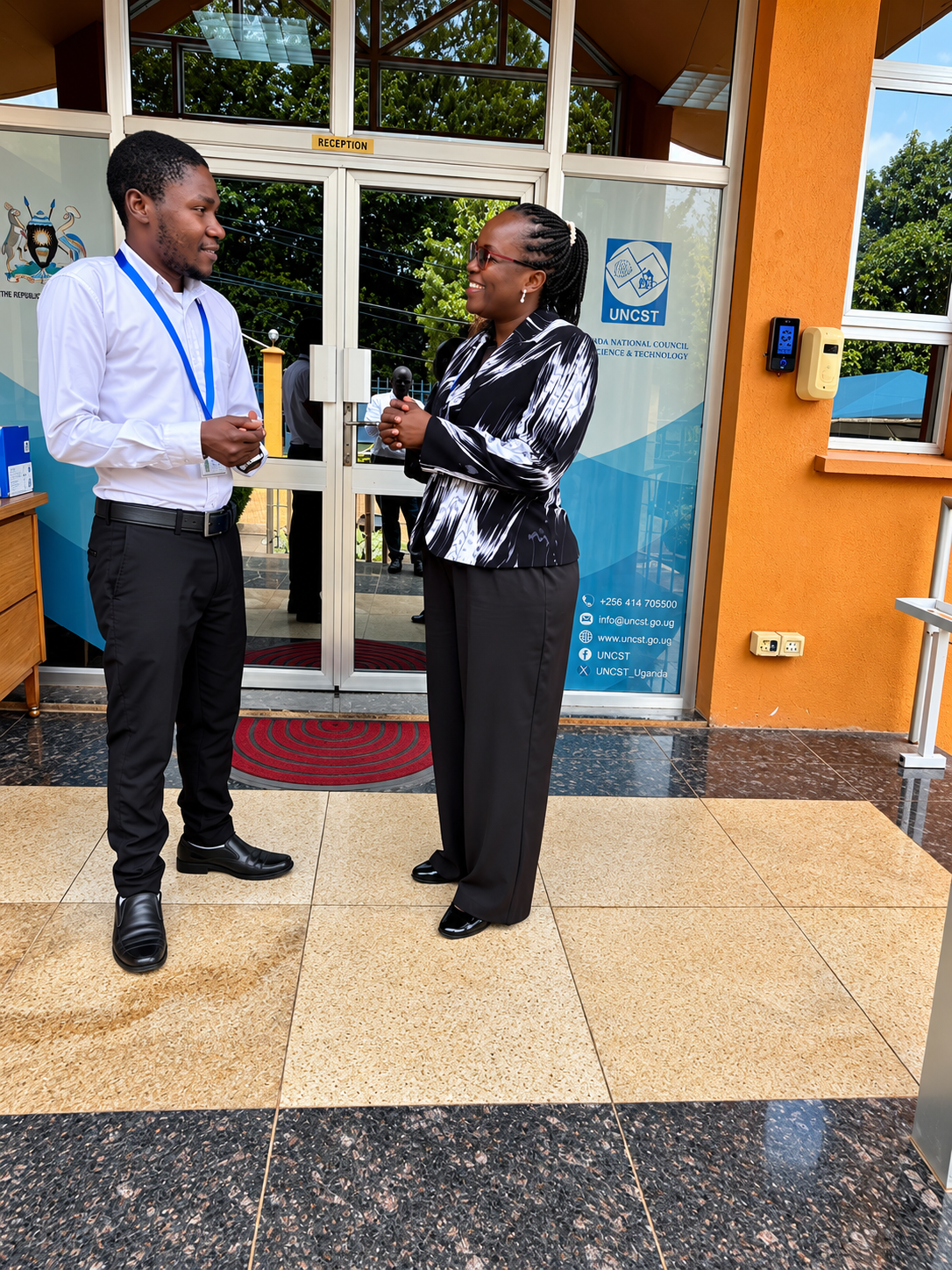
Consulting with the Uganda National Council of Science and Technology on Research Policy, Processes and Contributions
-
![]()
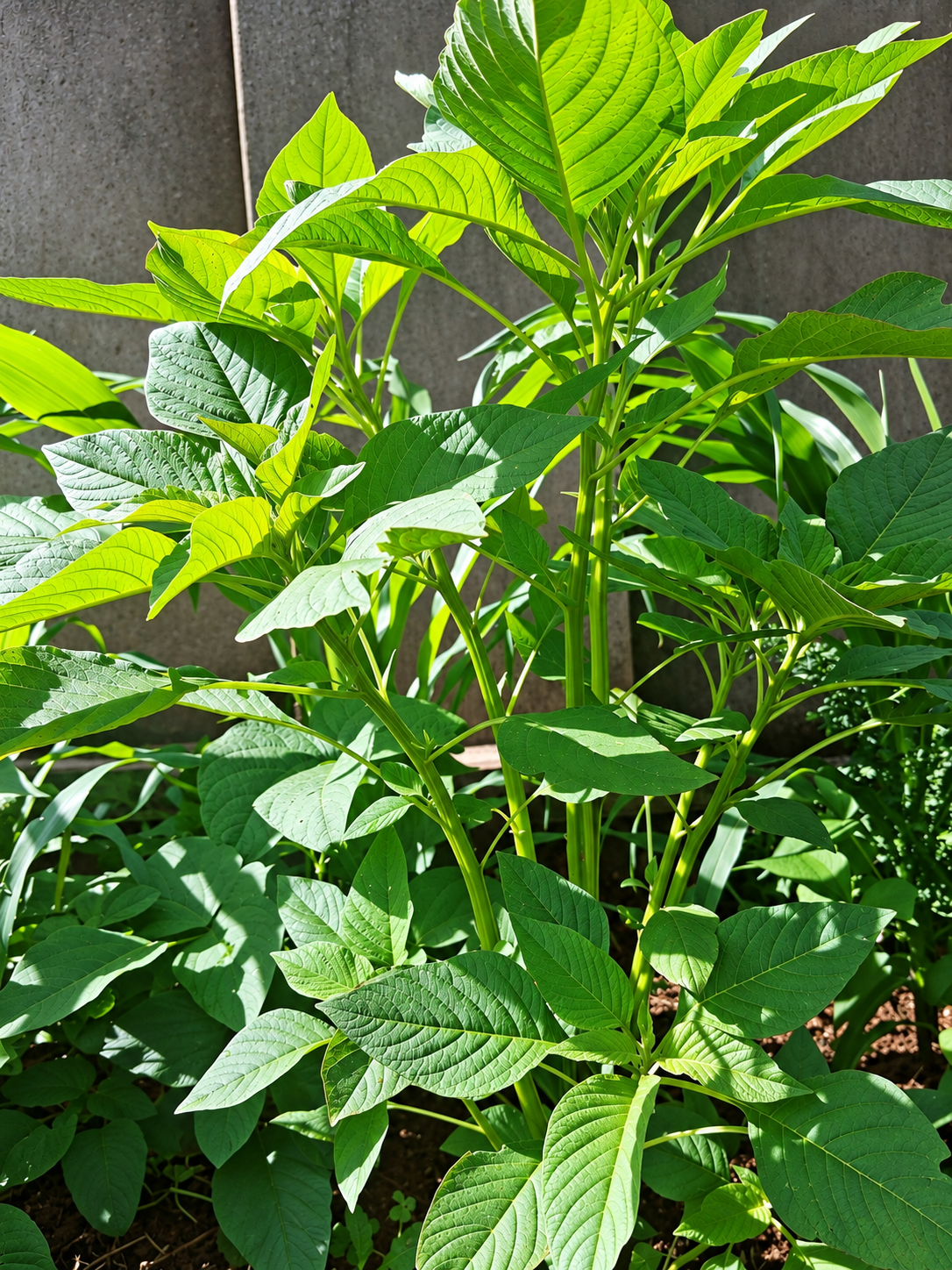
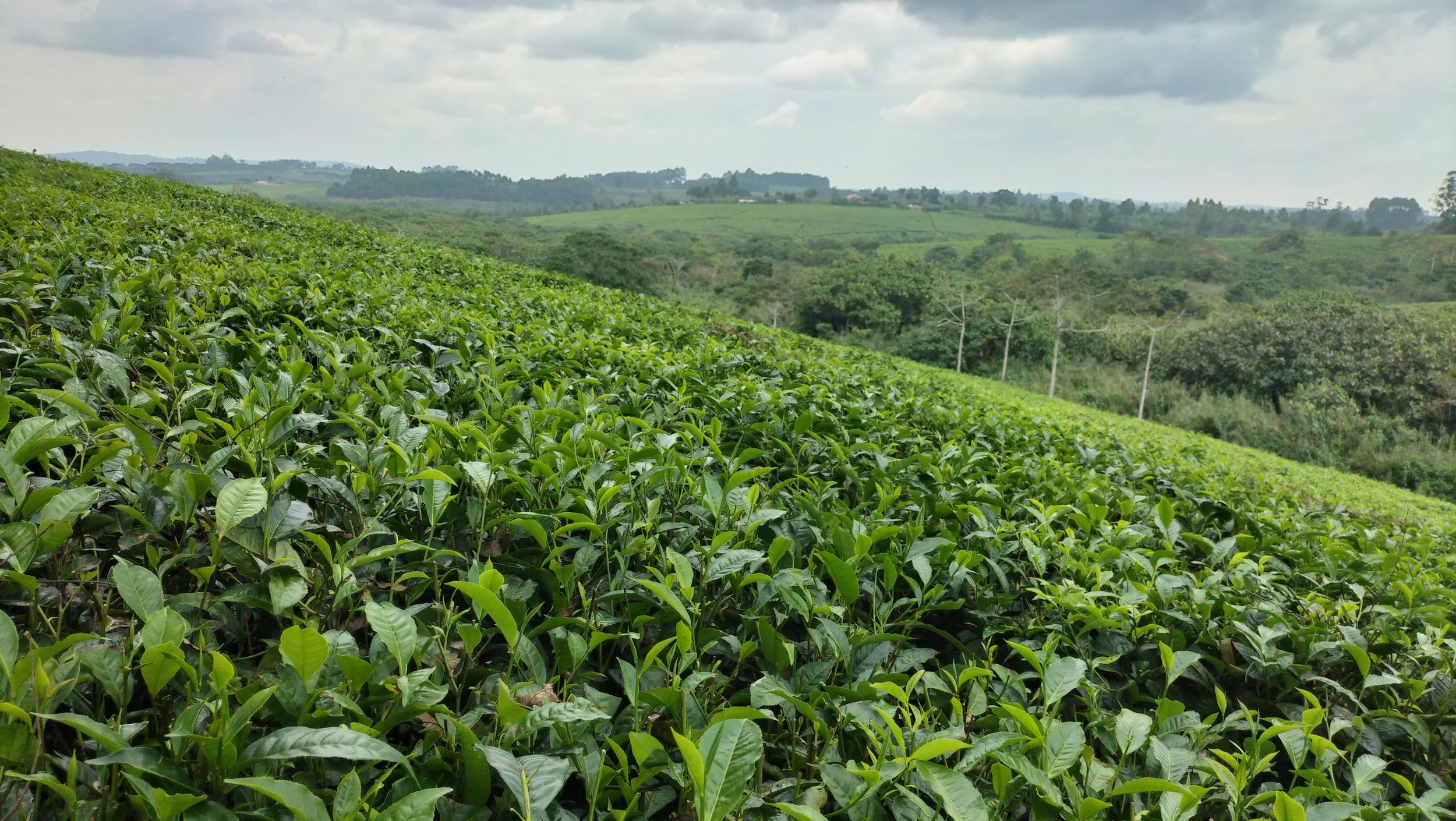
Rooting for a nature-friendly food and agricultural system.
Organising for scale, impact, and sustainability is our strength.
Many approaches, innovations, skills, products, and value chains struggle to scale from one farmer to another, from one country to another, and from one continent to another. It is one of the gaps we’re working to fill by connecting knowledge, people, and markets to help proven approaches travel, adapt, and create impact at scale.
We achieve this through paying attention to nature, people, and systems and the core actions of research, knowledge translation, learning and skilling, and advisory.
Core Actions
1. Research
We investigate emerging issues, innovations, opportunities, and challenges, generating evidence, knowledge, and practical solutions to inform policy, practice, and decision-making. Our research includes applied and academic studies, evidence reviews, innovation and solution mapping, case studies, and data-driven knowledge products.
2. Knowledge Translation, Dissemination and Advisory
We make research, evidence, innovations, and solutions accessible, understandable, and useful to the people and organisations who can apply them. We translate research into practical knowledge products, convene dialogues and exchanges, communicate through digital and other channels, and build communities and networks for knowledge sharing and collaboration.
Importantly, our experiences, observations and skills serve as advisory packages for institutions, governments, agencies and individuals.
3. Education & Skills Development
We turn knowledge, research and emerging opportunities into education, practical skills and professional capabilities. We create learning and development opportunities for young and experienced professionals through short courses, professional programmes, credentials, fellowships, exchanges, bootcamps, masterclasses, applied projects, reskilling and career-transition pathways.
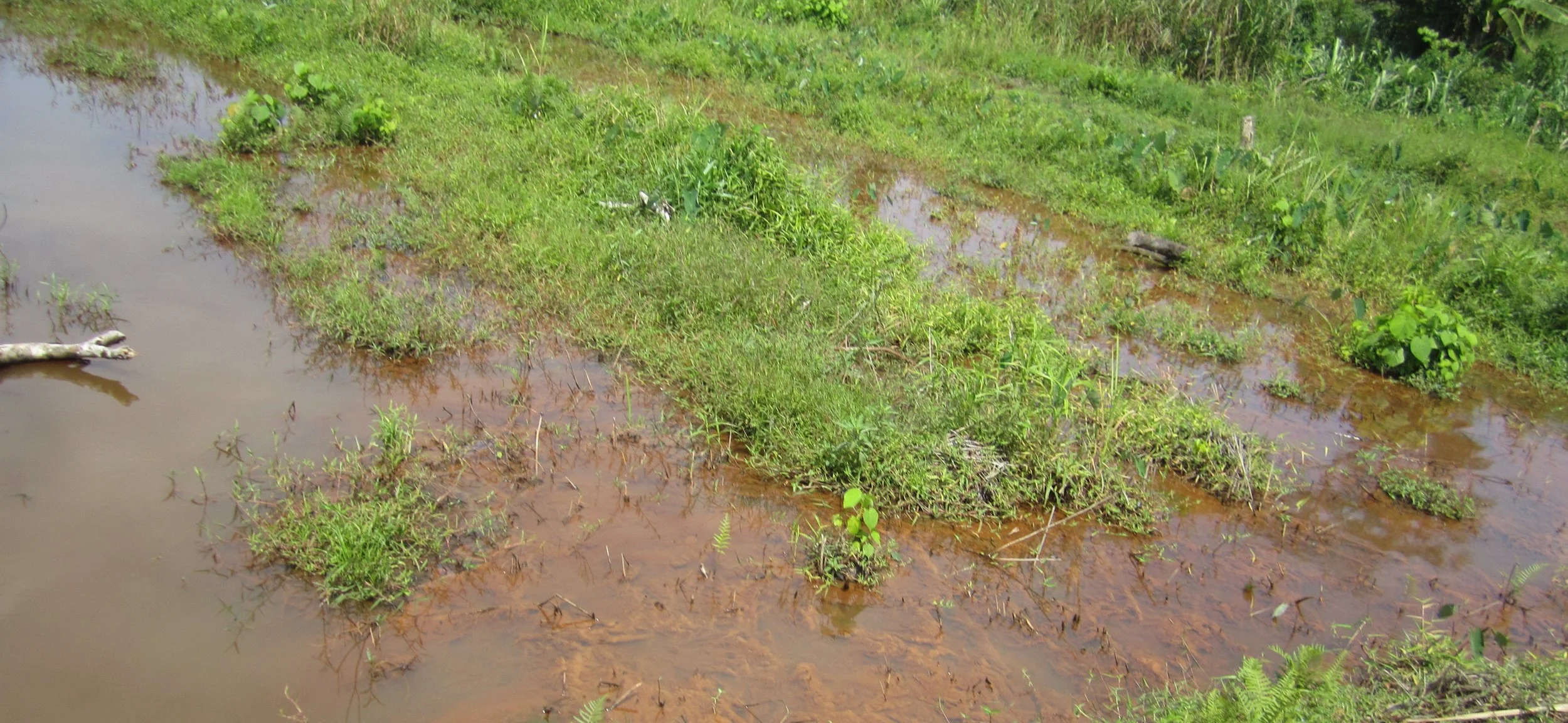
We focus on organised approaches to tackling today’s challenges of water, food, climate, energy, and degradation. These sustainable approaches include paludiculture, integrated water resources management, agroecology.
Special Impact Vehicles and Programs
Mind-Nature Institute makes an impact through specialised vehicles such as the Nature TVET & Polytechnic, WINN, and WET Origins. Learn more about them.

A nature-friendly food and agricultural systems is core need for climate, people, biodiversity and environmental sustainability overall. Though practicing, testing, and researching several methods such as organic, agroecology, biocyclic vegan, permaculture, conservation, climate-smart, regenerative, and paludiculture approaches, we are able to arrive at the right set of approaches, principles, and practices suitable for a given context.

We envision capable, resilient, and thriving people, institutions, and nature in a time of climate change and other crises.
Our mission, therefore, is to improve the capabilities to sustainably conserve, use, govern, and manage the environment; (a) for improved well-being, social equity, and justice; (by having the needed knowledge, data, and evidence, skills, mindset, and power.
Our simple theory of change is: if we get society, institutions, and individuals, especially women and young people, contributing effectively following built capacity, informed decisions, and if we create opportunities, we shall achieve improved environmental conservation and resource development outcomes at both local and international levels.


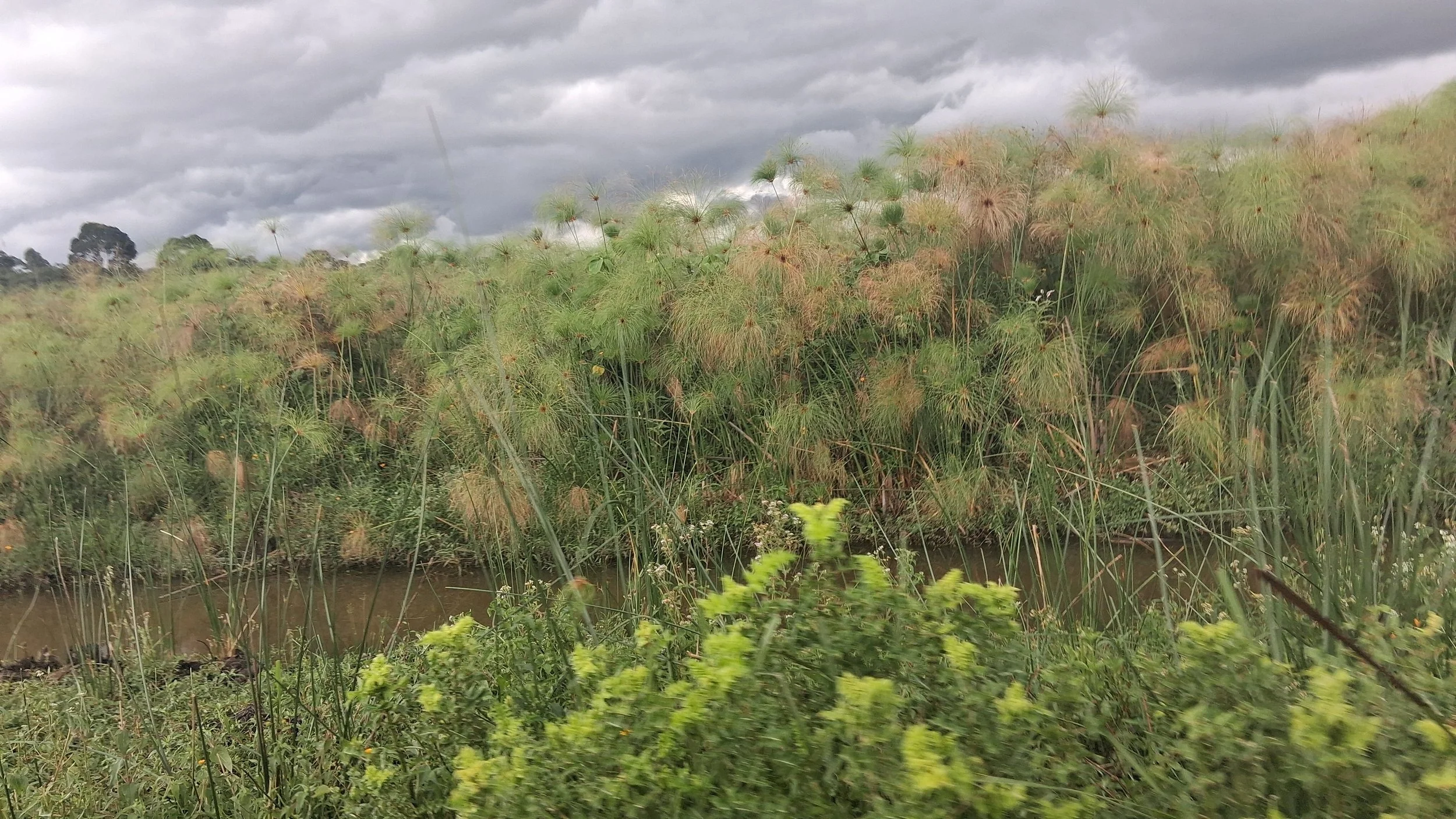
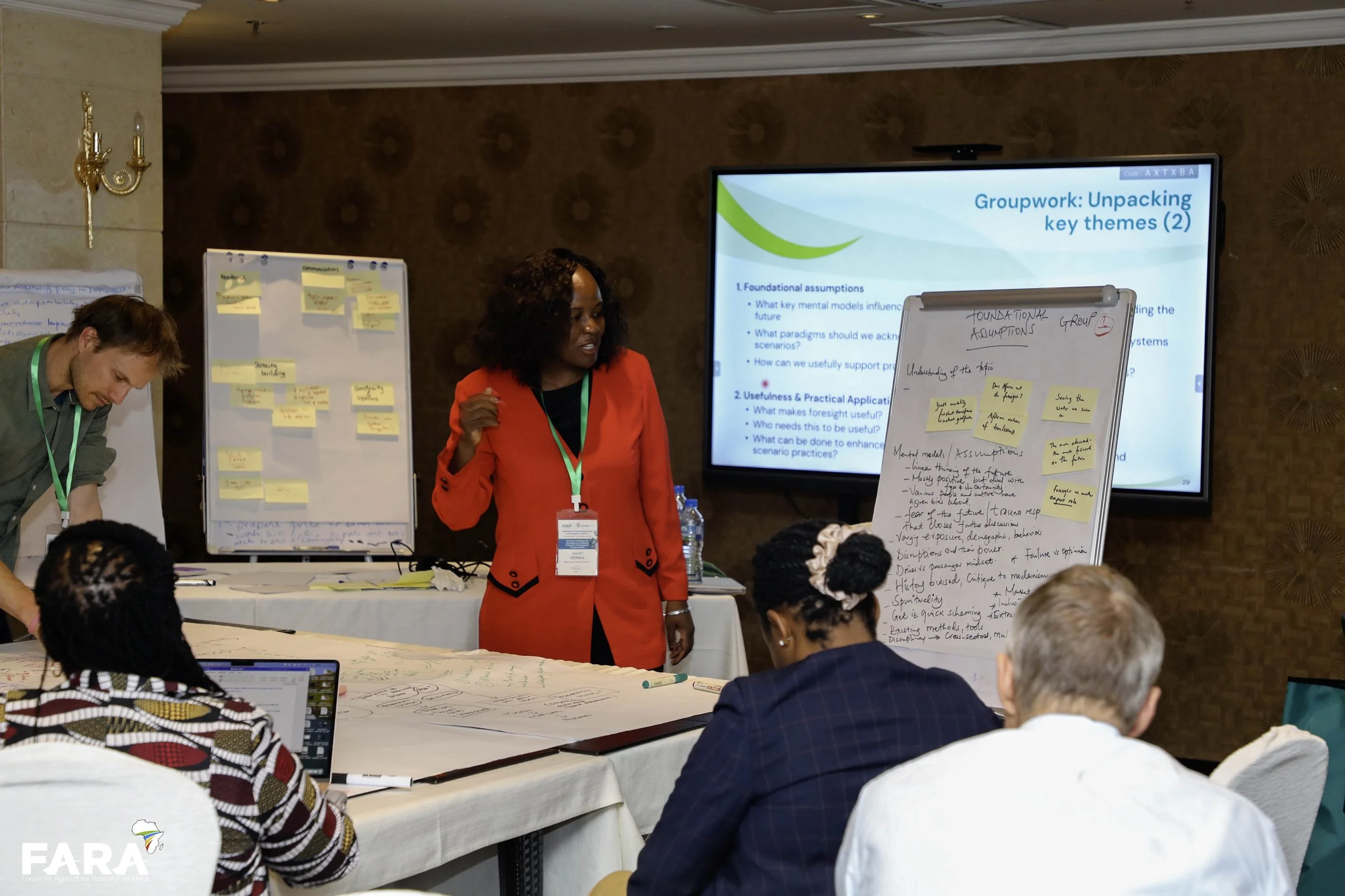
What do we research, translate, skill, or advise about?
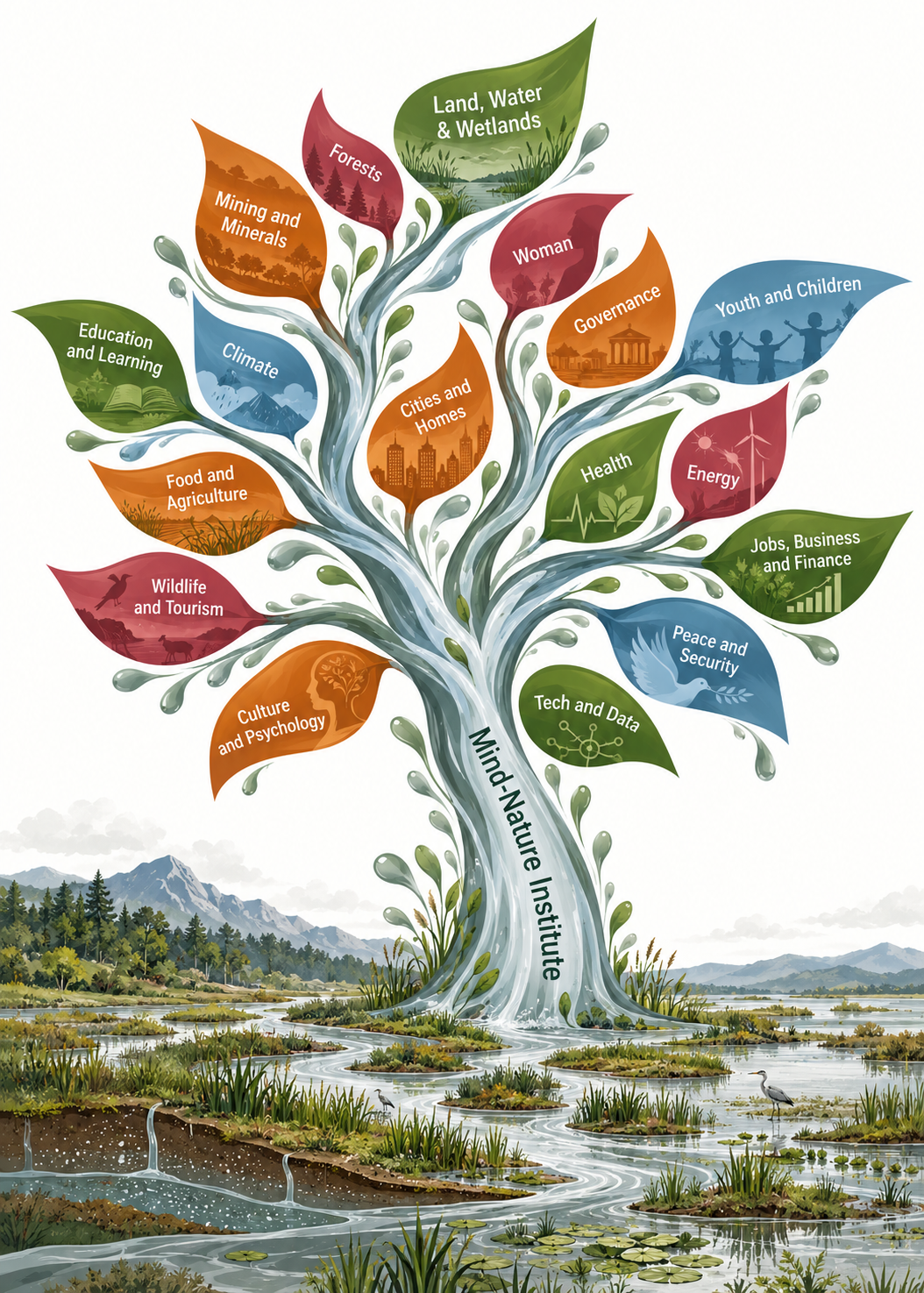
Nature is complex and interconnected. Thus, our perspective seeks depth, integration, connectivity, and scale through nature, systems, and people to advance sustainable wellbeing and development that links with various topics and needs such as energy, jobs, business, cities, and homes. This is captured in the Mind-Nature Tree.
Nature
We advance nature-positive land, water, food, energy and climate systems that support healthy ecosystems and resilient livelihoods. Our work includes agroecology and other nature-friendly farming approaches, soil and plant conservation, wetlands and peatlands restoration and sustainable management, paludiculture, and the development of inclusive nature-based value and supply chains.
We also support the process of enabling climate-resilient infrastructure, cities, and communities that can adapt to changing environmental conditions while reducing pressure on natural systems. Through applied research, technical support, innovation, and partnerships, we help connect ecological restoration with sustainable livelihoods and development.
Systems
We help strengthen the policies, institutions, markets, investments, and value chains needed to accelerate sustainable development. This includes climate-smart public investment management, climate finance, carbon and ecosystem markets, Article 6 and related international frameworks, sustainability and environmental compliance, and supply-chain resilience.
We support organizations and businesses to understand and reduce environmental footprints, decarbonize operations and supply chains, respond to requirements such as the European Union Deforestation Regulation (EUDR), and strengthen environmental and social performance.
Our systems work is underpinned by research, strategic foresight, monitoring, evaluation and learning, and practical advisory support—helping turn evidence into better policy, investment, and implementation decisions.
People
We build the knowledge, skills, agency, and opportunities needed for a nature-positive and climate-resilient future. Through technical and vocational education and training, curriculum development, professional learning, experiential education, and knowledge exchange, we support green skills development for local and international labour markets.
We promote gender equality, social inclusion, human rights safeguards, and equitable participation across our work, and we create learning and skilling pathways that enable youth, refugees, migrants, communities, and other groups to participate meaningfully in emerging green economies.
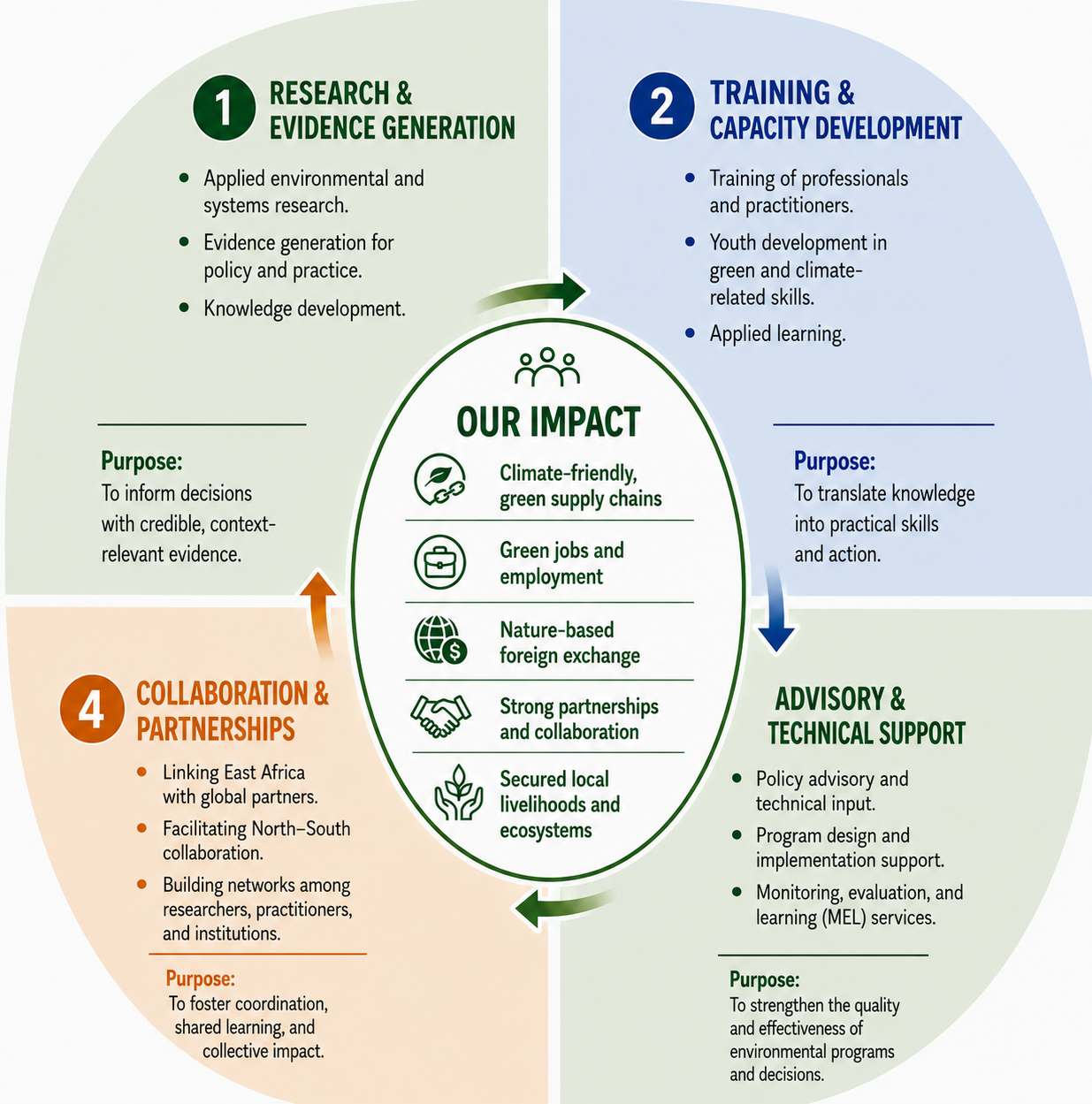
Across Nature, Systems, and People, we combine research and evidence generation, capacity development, advisory and technical support, and collaboration and partnerships to turn knowledge into action. By connecting local expertise with regional and global knowledge, academia and practice, resources, and networks, we bridge science, policy, and practice to develop solutions that are context-relevant, practical, and scalable.
Our work helps governments, businesses, development partners, institutions of research and learning, individuals and communities navigate interconnected challenges, including climate change, land degradation, biodiversity loss, resource pressures, and shifting economic realities. Grounded in credible evidence, practical skills, local knowledge, and real-world experience, we support


BLOGS
Events and Opportunities
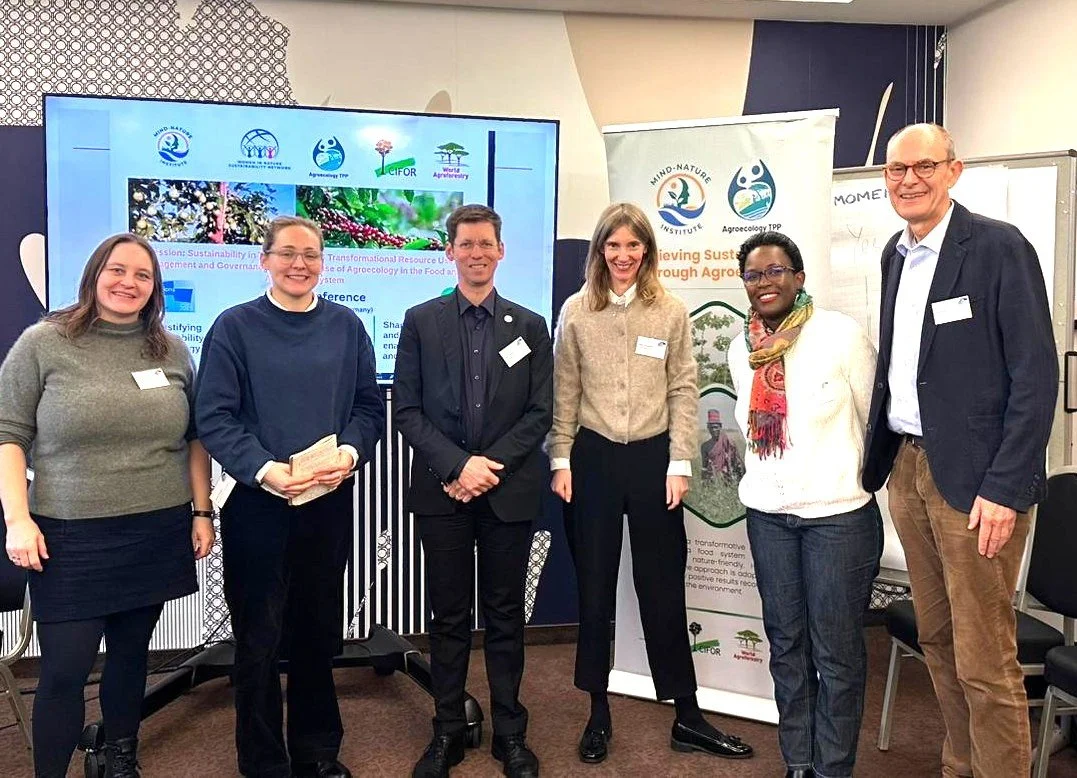
We organise and participate in several related events, webinars, and conferences. We would therefore be pleased if you check this page and join us.

Join the Mind-Nature Institute Community
Join the Women in Nature Sustainability Network